
SHARE THIS
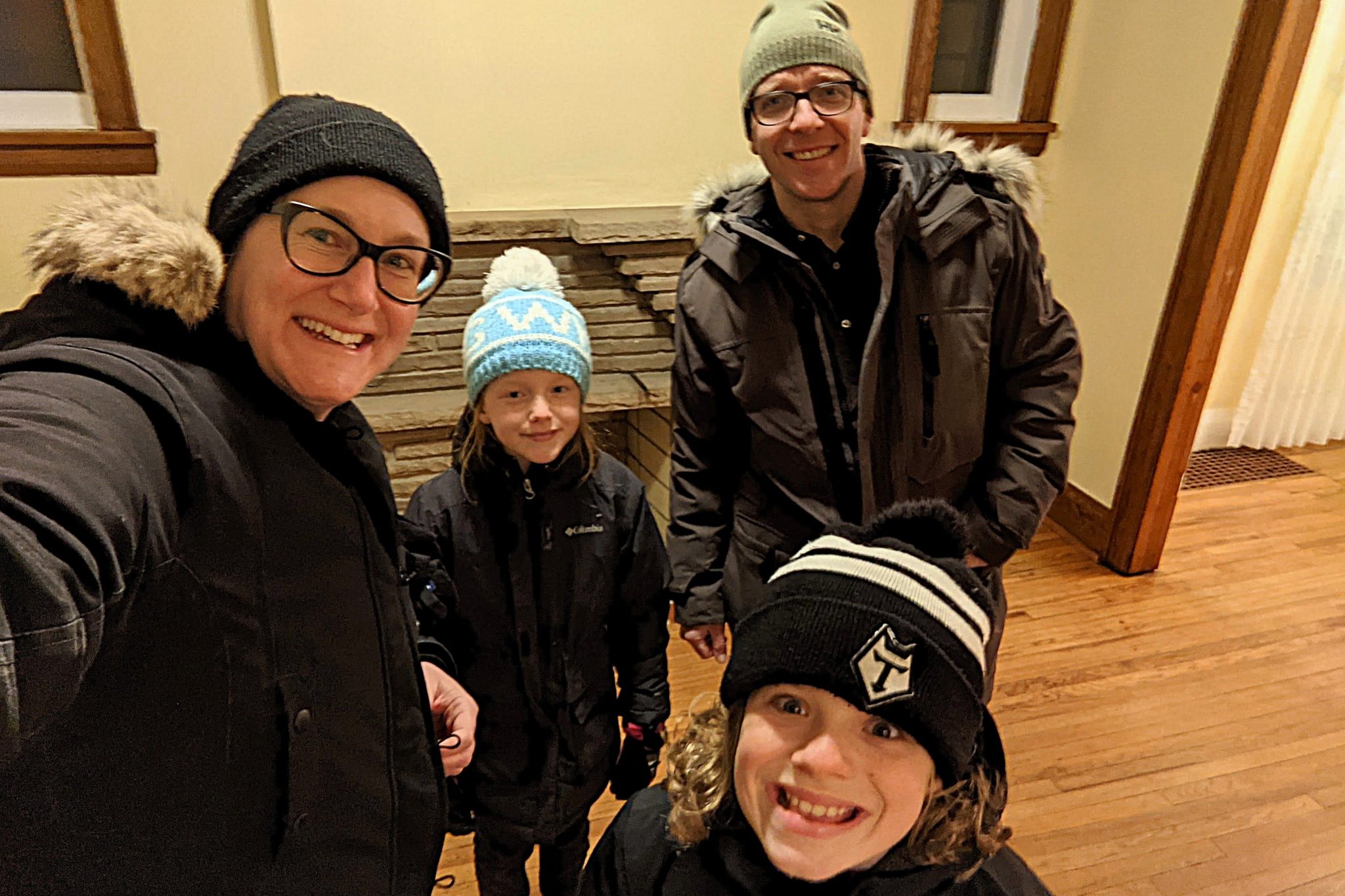
If you've been following Solares for a while, you've probably read about Our House — the home Tom and I designed and renovated for our family when our kids were toddlers. Well, those toddlers are now teenagers, and this case study is all about what came next: Our House Two! During the pandemic, we realized that our beloved 900-square-foot home was starting to feel too small for our family. With both kids getting older and craving space of their own, the time spent at home during lockdowns made it clear: it was time for a change. In February 2021, we got lucky. A house came up for sale in our neighbourhood, where we wanted to stay. It was right next door to our daughter's friend, on a street we already loved, and with a laneway and a garage out back (future laneway house potential!). We jumped at it. From day one, we knew we wanted an all-electric, low-carbon family home that would meet our needs and our budget. We planned a phased renovation to keep costs manageable and to allow Tom — our builder, once again — to be on site full-time while we lived there during construction! The four of us moved in that September and immediately got to work.Our NEXT home!Project Page Coming Soon
The process – and a family adventure
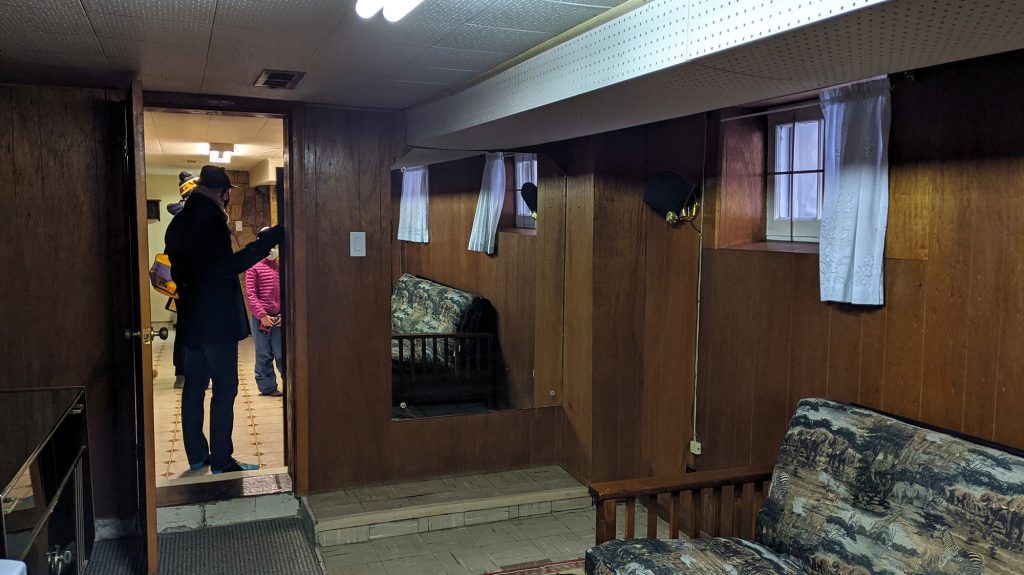
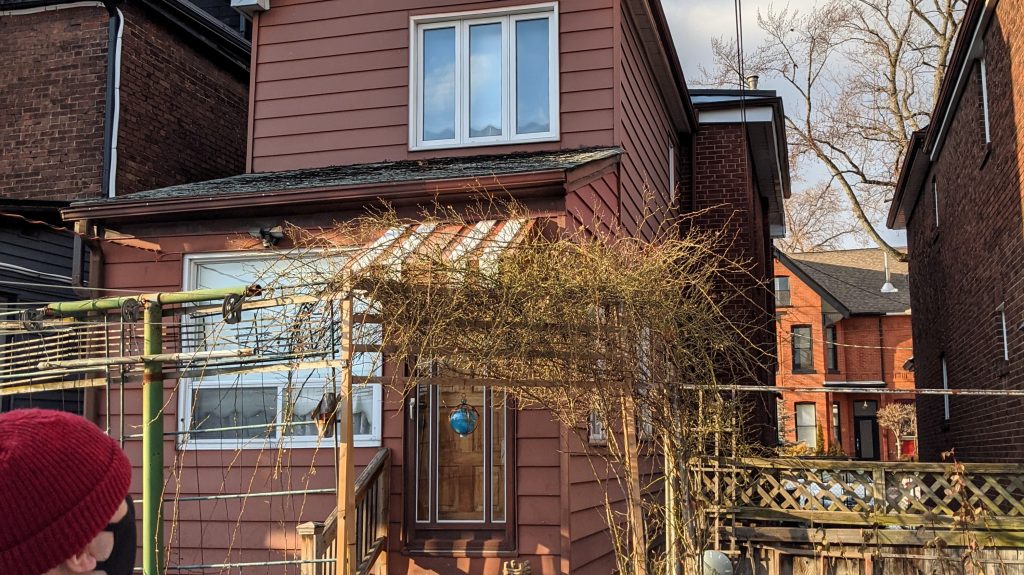
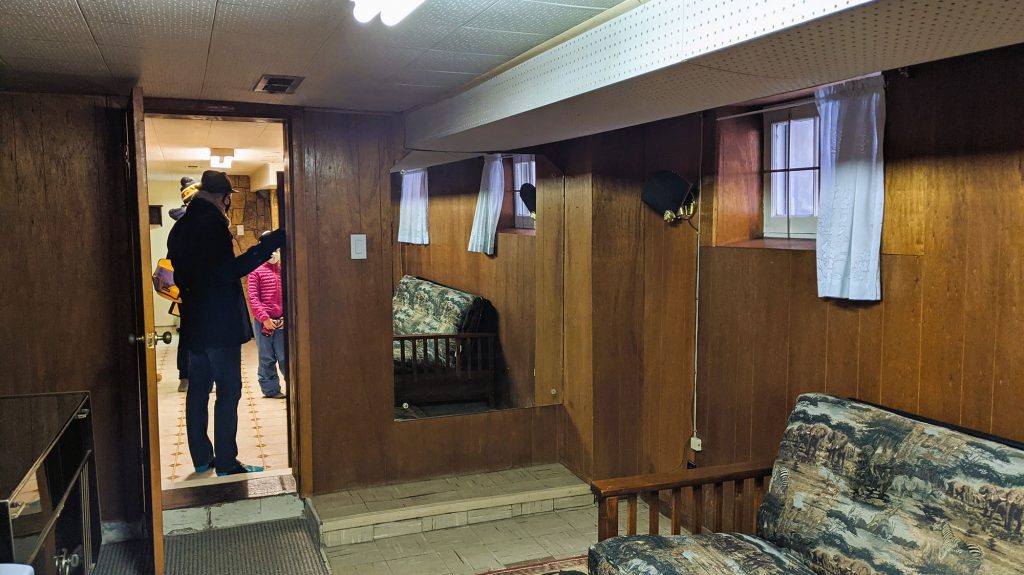
The first step was to renovate the basement into a self-contained two-bedroom rental suite while we lived in the house upstairs. By July 2022, the basement was complete, and all four of us — plus our beloved guinea pig, Ginger — moved in! We then started a full-gut strip-out and rebuild of the main house above our heads.
We added space thoughtfully: a rear addition, a new third floor, and a complete reimagining of the home's layout. Through it all, Tom kept everything operational for our temporary home below, carefully maintaining power and water even while removing the roof in quadrants. It was quite a feat. Living through construction was not exactly pleasant, but because the design and build were entirely within our control, it was manageable.
This renovation was never just about square footage. It was about designing a home that feels light and modern, efficient and smart, sustainable and flexible — one that meets our needs today and can adapt for the future. It was also about the process and our experience as a family. From a small house to an even smaller basement apartment and eventually into a spacious three-storey home, we learned a great deal about living together with grace and intention. It was a true family collaboration, and despite the challenges — and there were plenty — we made it practical, joyful, and entirely our own.
We're so happy to share this case study of Our House (Two) with you. Thanks for reading! - Christine
The Stats
Lot size: 3,265 sq.ft.
Building footprint: 850 sq.ft.
Total floor area for all four levels: 3,400 sq.ft.
Total finished area of our home on the upper two floors: 2,000 sq.ft.
Total finished area of the lower-level rental suite: 625 sq.ft.
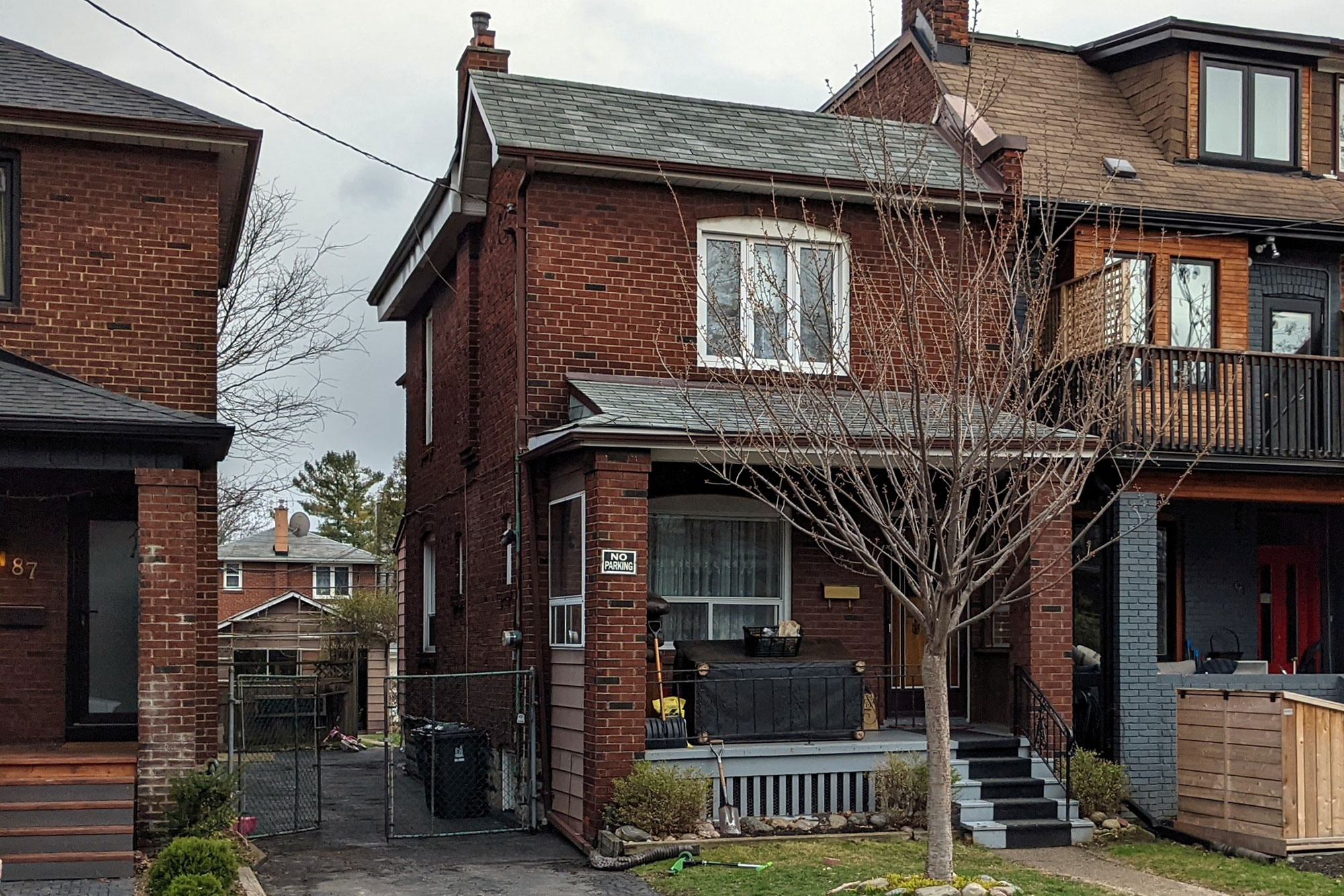
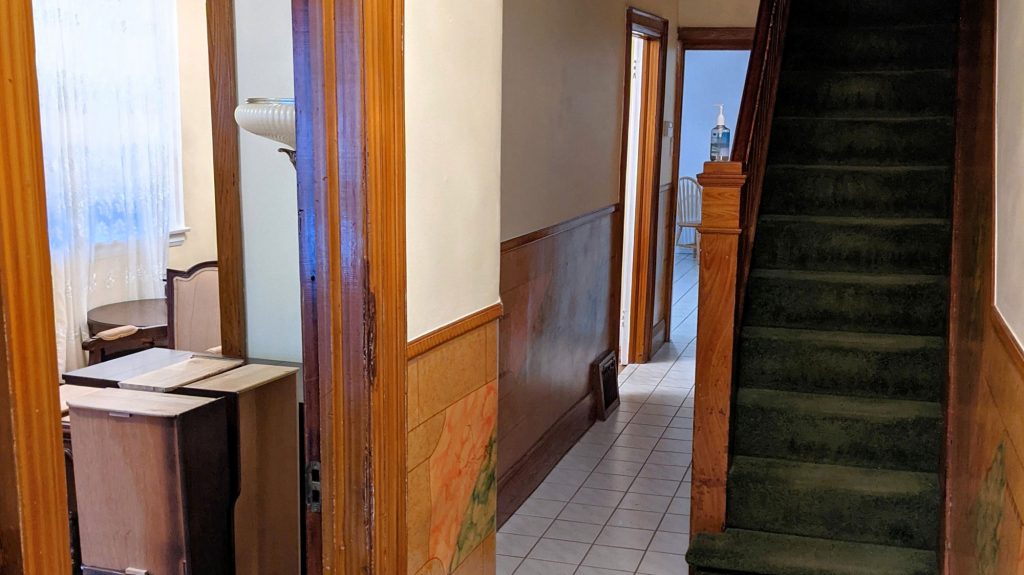
When we bought this house, we knew exactly what we were working with. It was a straightforward, narrow Toronto home with all the familiar quirks of the type: a cramped front entry, rooms strung in a row with no real flow, and living spaces that turned their back on the best light in the house. That was fine by us. We weren't looking for a ready-made home. We were looking for potential, and a chance to build exactly the home we wanted. A narrow house rewards bold decisions, so we rethought the layout from the ground up: consolidating circulation, cutting rooms that didn't earn their keep, and orienting the main living spaces toward the south-facing rear for the best light through the day. The other big move was independence. The basement became a self-contained rental suite, which meant the upper house needed its own mechanical systems, storage, laundry, guest space, and family overflow. Building up to three storeys gave us the room to make that work.The ApproachProject Page Coming Soon
The layout
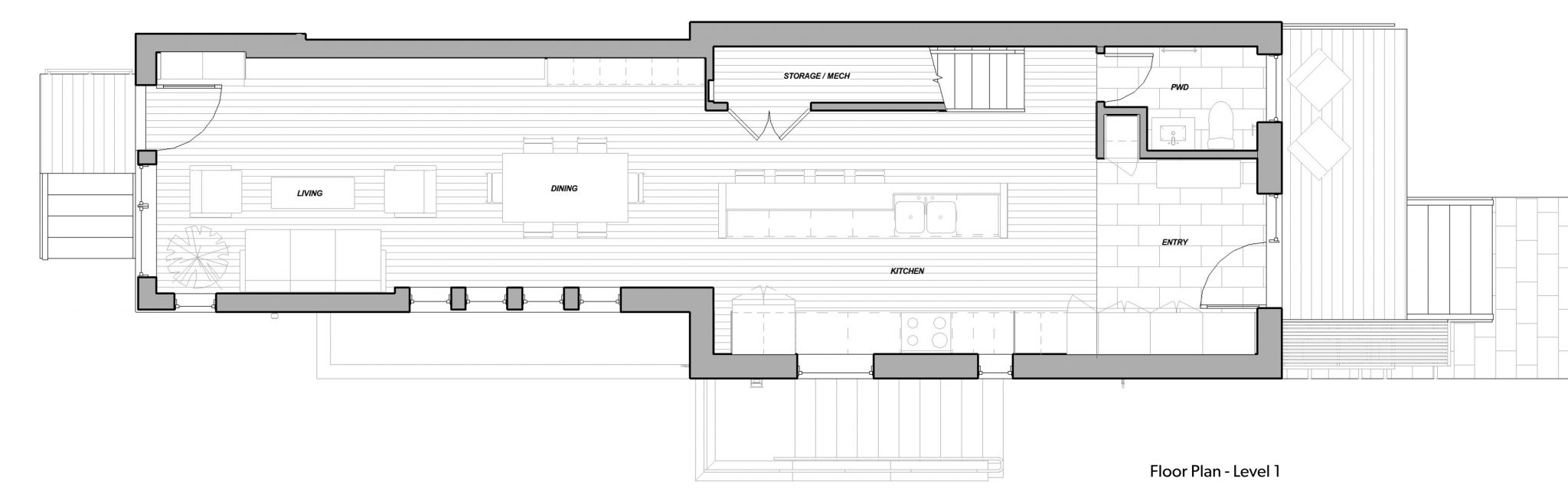
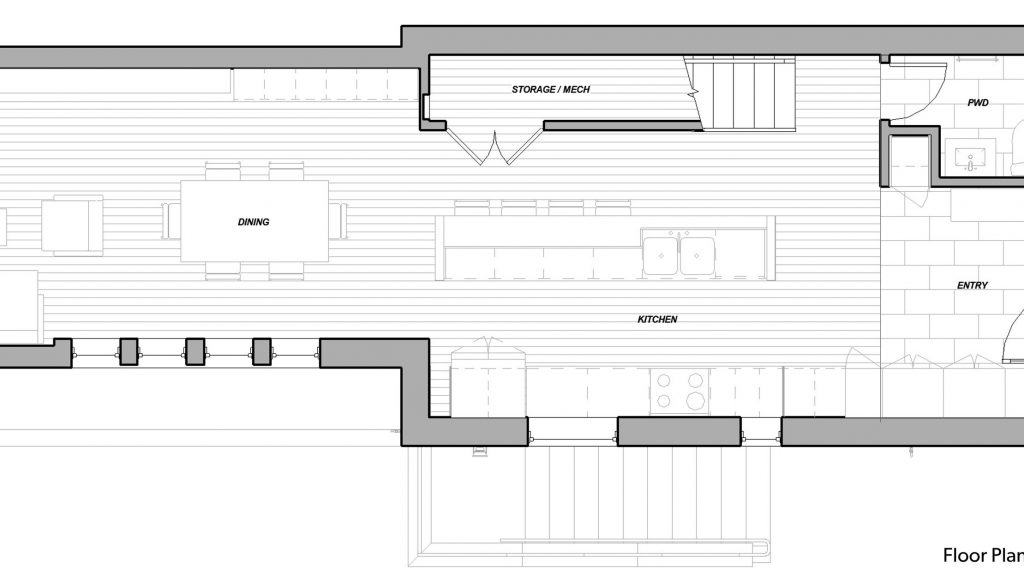
We gave up the front living room entirely and turned that space into a generous entry with a bench and built-in storage. The original entry became a powder room, with the old front door opening now providing light and privacy as a large, frosted window.
The middle of the house holds the kitchen and main stair. Because the basement suite has its own separate entrance, there's no interior connection between units, which freed up the space under the main stair for storage. Behind the kitchen, the rear section opens into the dining room and living room, slightly narrower but south facing and full of light.
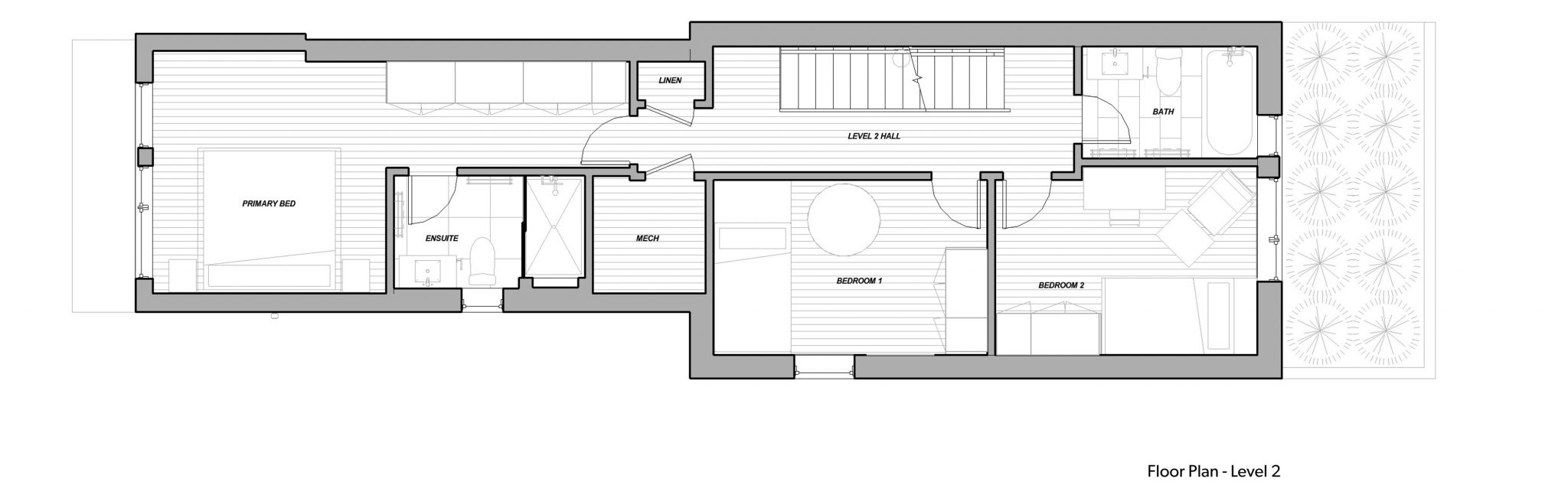
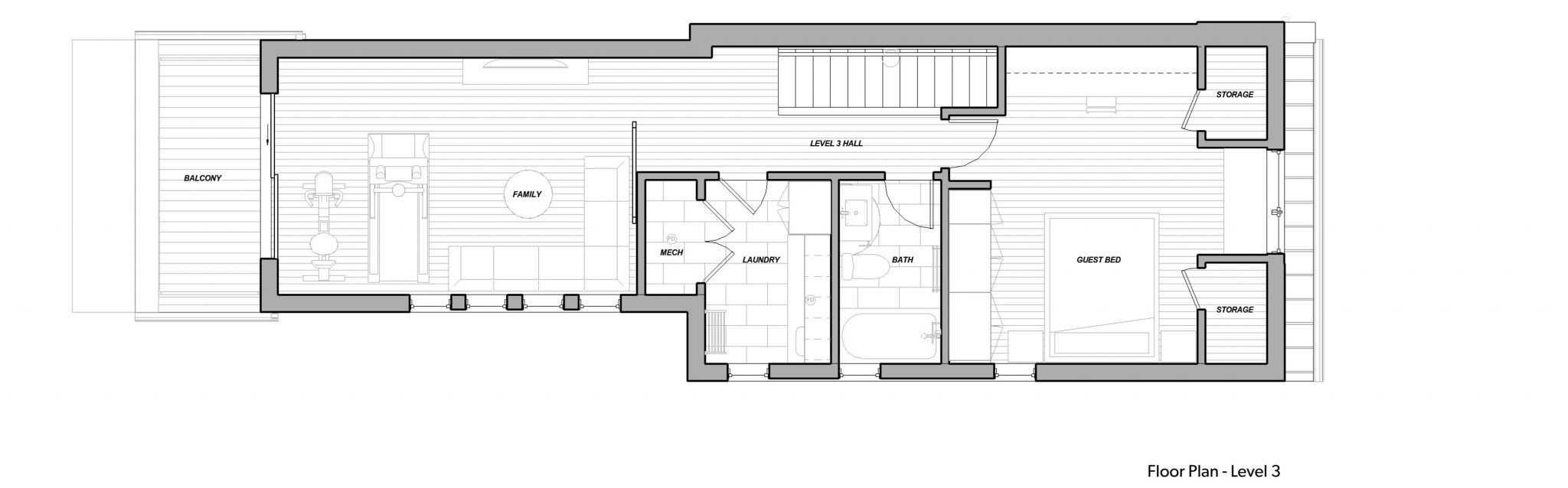
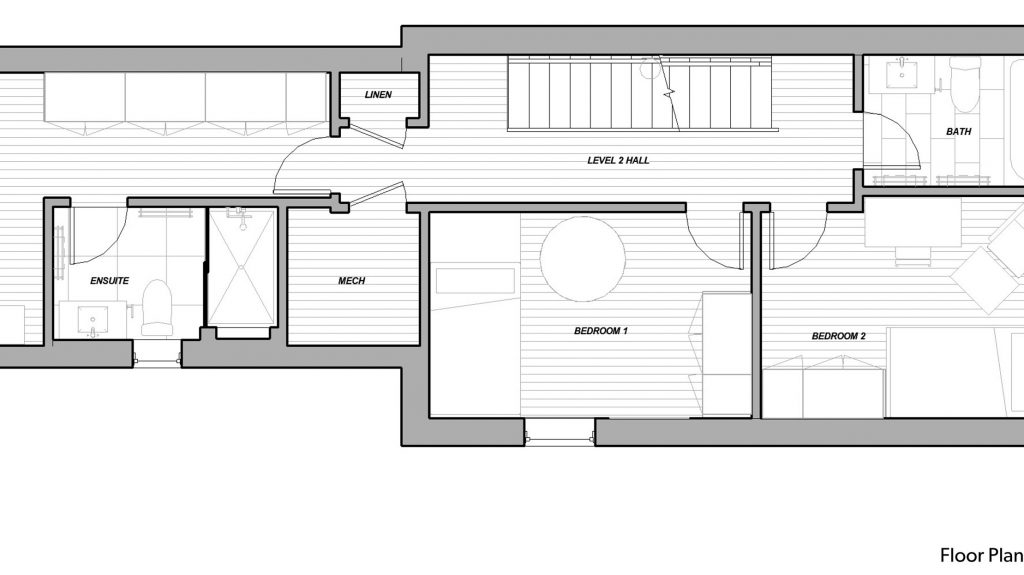
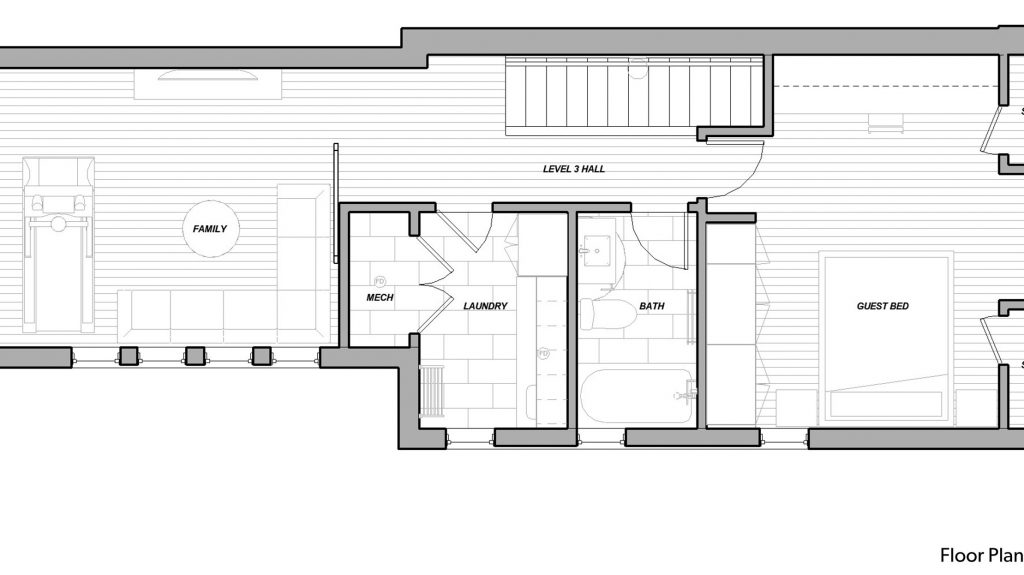
The second floor brings all the bedrooms together on one level with two bathrooms and the mechanical room. The third floor is our "basement replacement": a family TV and rec room, guest bedroom and office, laundry, and a bathroom. Code required an area of refuge at that height, so there's a deck off the back of the rec room — a happy bonus.
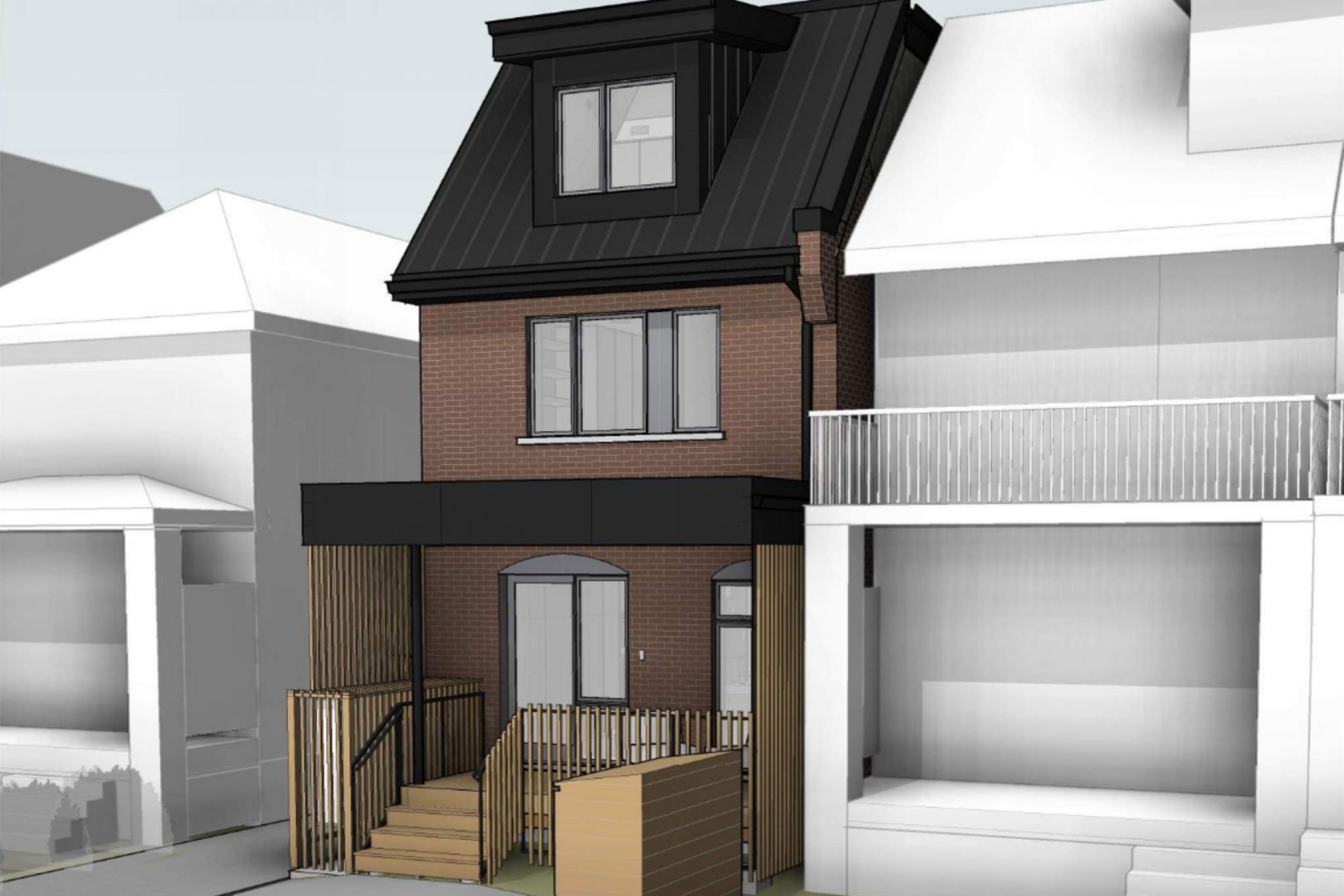
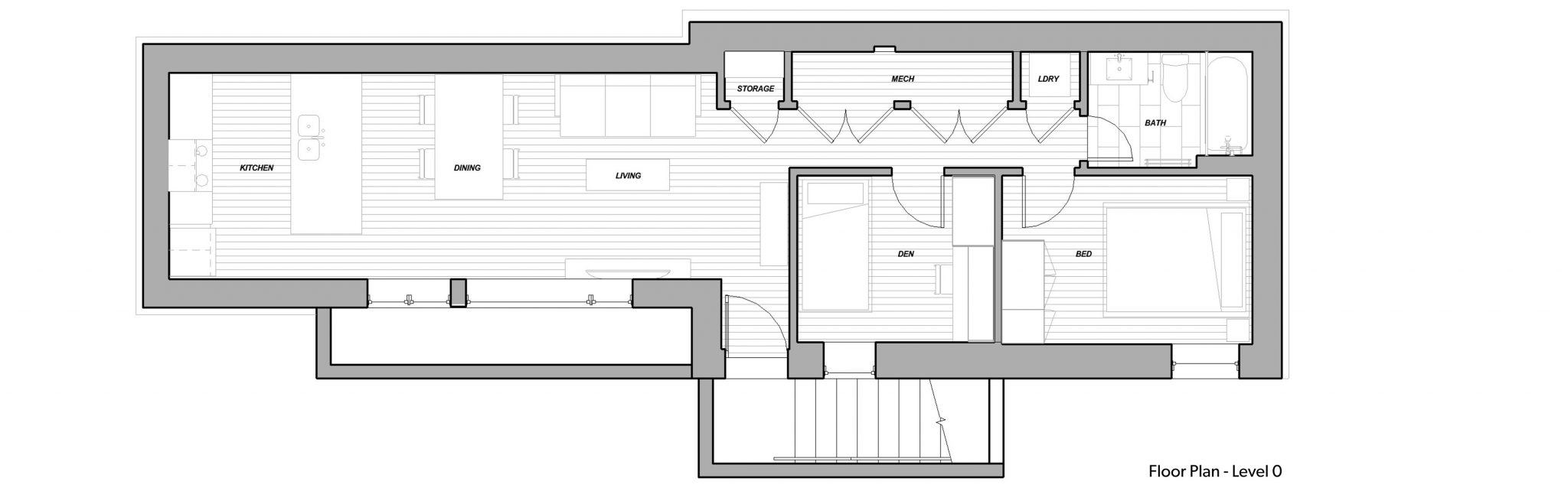
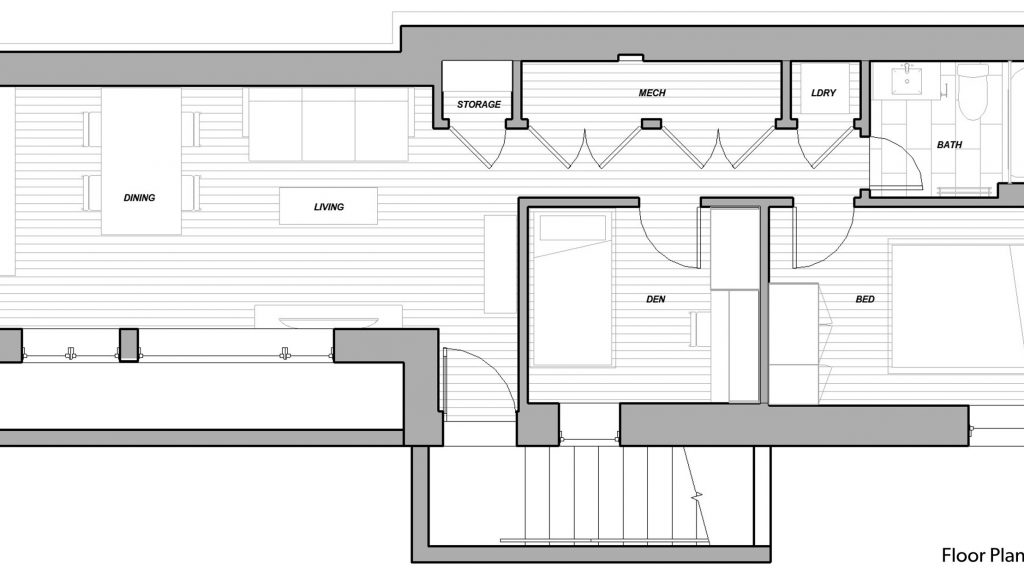
The rental suite makes the most of the full width of the lot. The property is 26 feet wide while the house is only about 16, leaving a spacious side yard that we fenced off as a private terrace for the tenant. That decision shaped the whole suite: a large east-facing window looks out onto the terrace, making the apartment bright and surprisingly un-basement-like. In about 600 square feet, you have two bedrooms, a bathroom, laundry, and a full living/dining/kitchen area looking out to your own private terrace.
Structure
Envelope
Systems
Interiors
Reveal
- + Intro
- Our NEXT home!
If you've been following Solares for a while, you've probably read about Our House — the home Tom and I designed and renovated for our family when our kids were toddlers. Well, those toddlers are now teenagers, and this case study is all about what came next: Our House Two!
During the pandemic, we realized that our beloved 900-square-foot home was starting to feel too small for our family. With both kids getting older and craving space of their own, the time spent at home during lockdowns made it clear: it was time for a change.
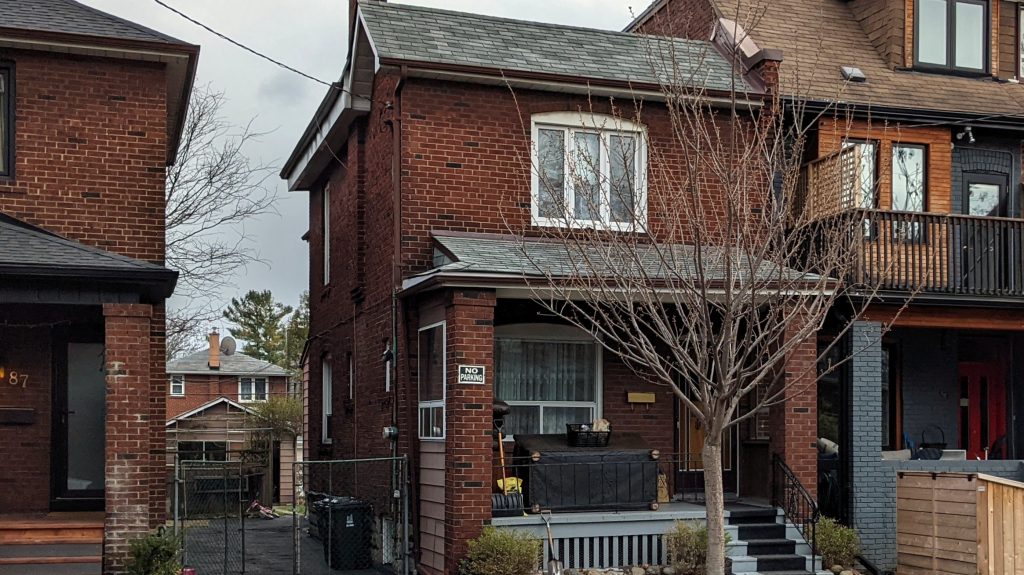
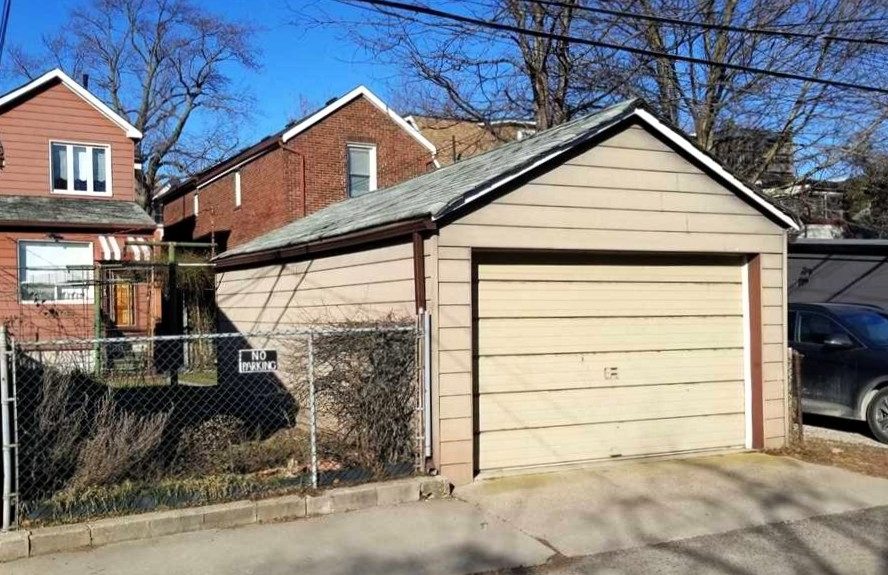
In February 2021, we got lucky. A house came up for sale in our neighbourhood, where we wanted to stay. It was right next door to our daughter's friend, on a street we already loved, and with a laneway and a garage out back (future laneway house potential!). We jumped at it.
From day one, we knew we wanted an all-electric, low-carbon family home that would meet our needs and our budget. We planned a phased renovation to keep costs manageable and to allow Tom — our builder, once again — to be on site full-time while we lived there during construction! The four of us moved in that September and immediately got to work.
Project Page Coming Soon
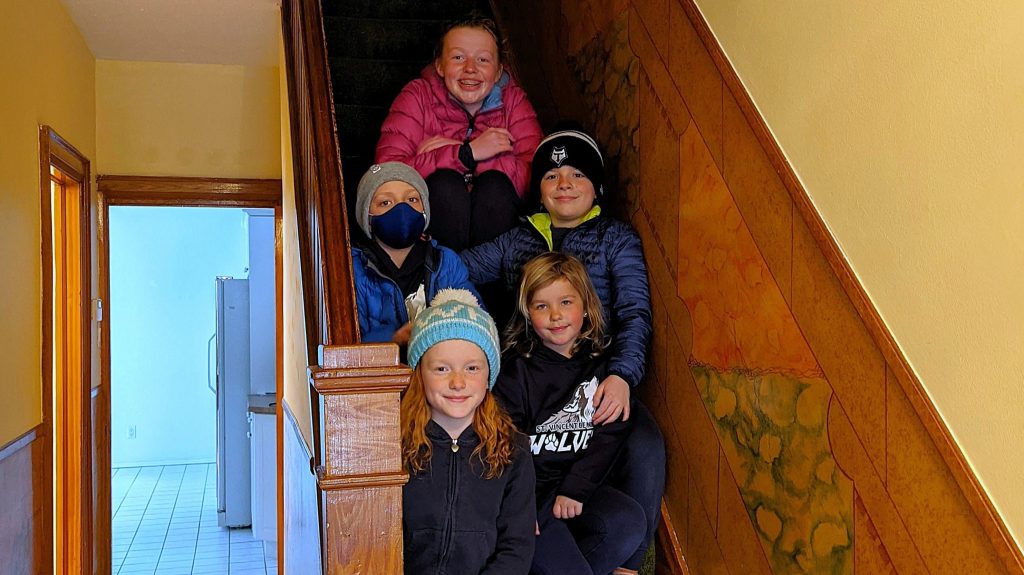
The process – and a family adventureThe first step was to renovate the basement into a self-contained two-bedroom rental suite while we lived in the house upstairs. By July 2022, the basement was complete, and all four of us — plus our beloved guinea pig, Ginger — moved in! We then started a full-gut strip-out and rebuild of the main house above our heads.
We added space thoughtfully: a rear addition, a new third floor, and a complete reimagining of the home's layout. Through it all, Tom kept everything operational for our temporary home below, carefully maintaining power and water even while removing the roof in quadrants. It was quite a feat. Living through construction was not exactly pleasant, but because the design and build were entirely within our control, it was manageable.
This renovation was never just about square footage. It was about designing a home that feels light and modern, efficient and smart, sustainable and flexible — one that meets our needs today and can adapt for the future. It was also about the process and our experience as a family. From a small house to an even smaller basement apartment and eventually into a spacious three-storey home, we learned a great deal about living together with grace and intention. It was a true family collaboration, and despite the challenges — and there were plenty — we made it practical, joyful, and entirely our own.
We're so happy to share this case study of Our House (Two) with you. Thanks for reading! - Christine
The Stats
Lot size: 3,265 sq.ft.
Building footprint: 850 sq.ft.
Total floor area for all four levels: 3,400 sq.ft.
Total finished area of our home on the upper two floors: 2,000 sq.ft.
Total finished area of the lower-level rental suite: 625 sq.ft. - + Design
- The Approach
When we bought this house, we knew exactly what we were working with. It was a straightforward, narrow Toronto home with all the familiar quirks of the type: a cramped front entry, rooms strung in a row with no real flow, and living spaces that turned their back on the best light in the house. That was fine by us. We weren't looking for a ready-made home. We were looking for potential, and a chance to build exactly the home we wanted.
A narrow house rewards bold decisions, so we rethought the layout from the ground up: consolidating circulation, cutting rooms that didn't earn their keep, and orienting the main living spaces toward the south-facing rear for the best light through the day.
The other big move was independence. The basement became a self-contained rental suite, which meant the upper house needed its own mechanical systems, storage, laundry, guest space, and family overflow. Building up to three storeys gave us the room to make that work.
Project Page Coming Soon
 The layout
We gave up the front living room entirely and turned that space into a generous entry with a bench and built-in storage. The original entry became a powder room, with the old front door opening now providing light and privacy as a large, frosted window.
The middle of the house holds the kitchen and main stair. Because the basement suite has its own separate entrance, there's no interior connection between units, which freed up the space under the main stair for storage. Behind the kitchen, the rear section opens into the dining room and living room, slightly narrower but south facing and full of light.
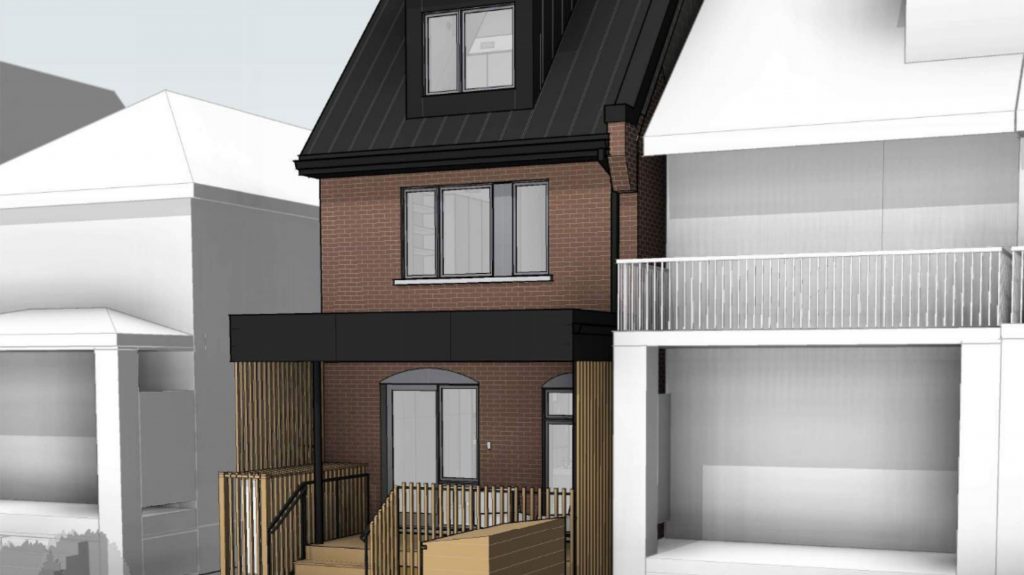
The second floor brings all the bedrooms together on one level with two bathrooms and the mechanical room. The third floor is our "basement replacement": a family TV and rec room, guest bedroom and office, laundry, and a bathroom. Code required an area of refuge at that height, so there's a deck off the back of the rec room — a happy bonus.
The rental suite makes the most of the full width of the lot. The property is 26 feet wide while the house is only about 16, leaving a spacious side yard that we fenced off as a private terrace for the tenant. That decision shaped the whole suite: a large east-facing window looks out onto the terrace, making the apartment bright and surprisingly un-basement-like. In about 600 square feet, you have two bedrooms, a bathroom, laundry, and a full living/dining/kitchen area looking out to your own private terrace.
- + Structure
- Structure
- + Envelope
- Envelope
- + Systems
- Systems
- + Interiors
- Interiors
- + Reveal
- Reveal